
Engagement Opportunities
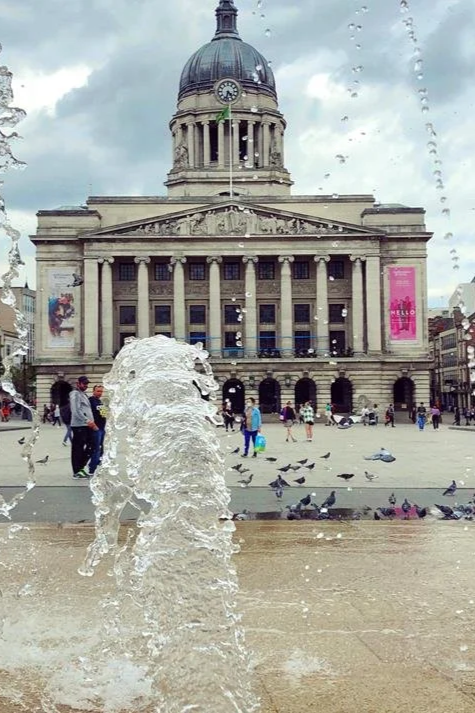
Old Market Square Fountain
We’re working hard to resolve the technical issues that led to the fountain being switched off. Please keep an eye on this, news will be coming soon.
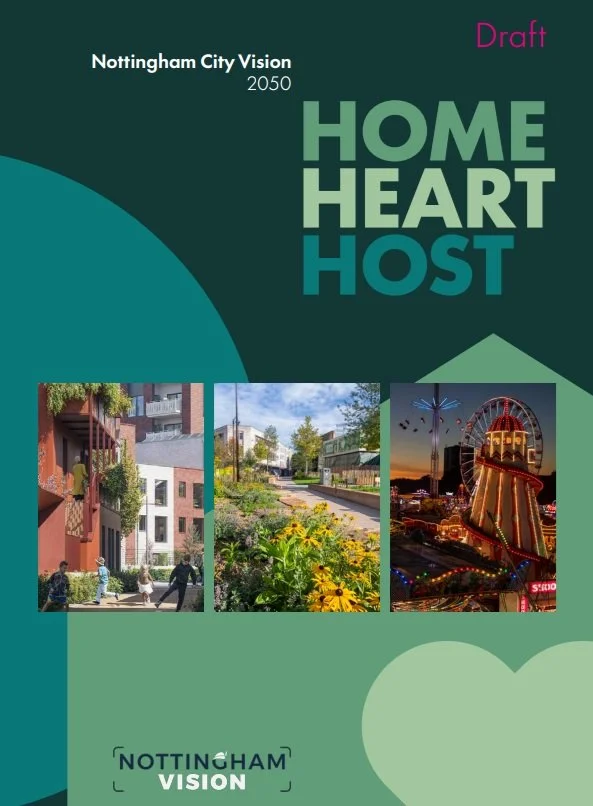
Nottingham 2050: Help Shape What Comes Next
The Vision for Nottingham 2050 sets out an ambitious direction for the city—one rooted in identity, pride, and opportunity:
“By 2050, Nottingham will be the proud Home of diverse and healthy communities, the Heart of a dynamic region, and the Host of opportunity and global culture and sport.”
To get there, the city is committing to 10 Bold Ideas—transformational changes that will turn this vision into reality.
A continuous, open engagement channel is now available at the Urban Room to:
Gather opinions and ideas to inform placemaking and place-keeping strategies in the city
Bring people of all ages, abilities and interests together to shape the 10 Bold Ideas into deliverable placemaking strategies
Help create groups partnerships that will actively help transition Nottingham into the vision’s future
Nottingham Tall Buildings Strategy
We are currently preparing a draft Tall Buildings Strategy for Nottingham. This will be a substantial and influential document, designed to guide both applicants and planning officers in delivering high-quality developments. The strategy will set out how tall buildings can contribute positively to the city, supporting sustainable growth while respecting Nottingham’s unique character.
The work explores the potential economic benefits of tall buildings, alongside careful consideration of their environmental, heritage, and townscape impacts. It will provide a clear framework to ensure that new buildings of height are well-designed, appropriately located, and make a positive contribution to the city.
The Focus Group on the 10 Nov provides an opportunity for testing emerging design and planning tools. Once the draft strategy is complete, a range of engagement opportunities will be launched to gather views from stakeholders and the wider public. Please check this page regularly for updates and opportunities to comment.
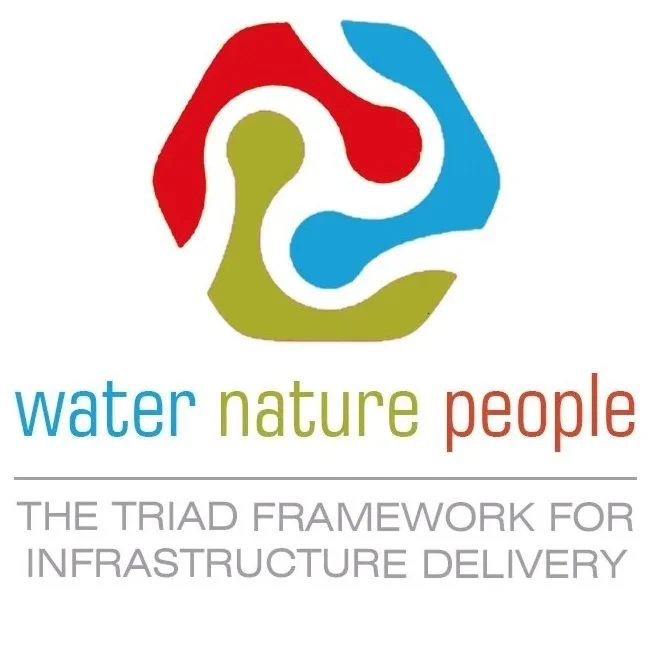
Blue + Green + Red Strategy
This strategy will set up parameters for how infrastructure in public places should be delivered to ensure we deliver our greening strategy, biodiversity net gain and climate adaptation but also protecting the future of our local economy and the vitality of the public realm.
The Blue component represents our water and flood management systems. The Green element refers to the natural ecosystems, including all permeable surfaces, trees and planting. Both bring opportunities for urban cooling, biodiversity, food security and health.
The Red element indicates human activity, use of space in different times of the days and seasons, and how commercial activity can become a platform of opportunity for local businesses and start-ups.
Nottingham is working towards becoming a recognised UNICEF Child Friendly City. This is part of a global movement that helps cities put children’s rights at the heart of everyday life. By joining this network, Nottingham is committing to long‑lasting change that will make the city better for generations of young people.
Child Friendly Nottingham brings together lots of people and organisations across the city: the council, schools, charities, youth groups, arts organisations, local businesses, and families. Most importantly, we work directly with children and young people.
If you want to take part in these activities or if you would like your school or group of children to become involved, please get in touch.
Urban Room Tools
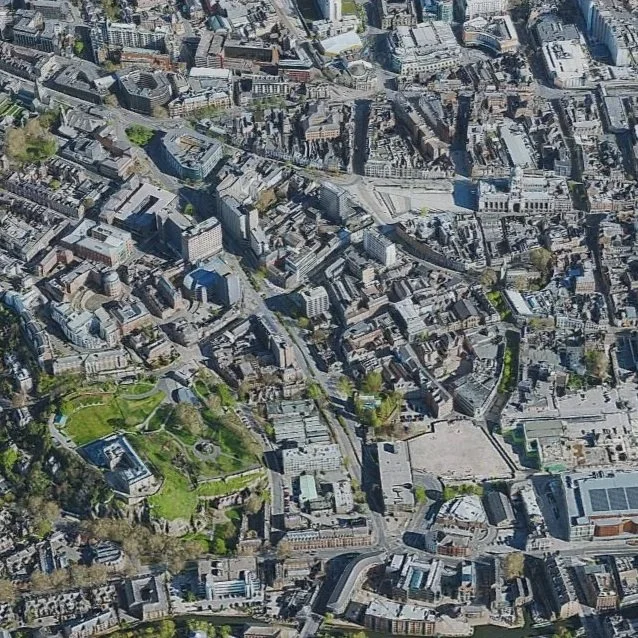
A digital model of the city in 3D format to explore opportunities and to visualise proposals; owned by Nottingham City Council.
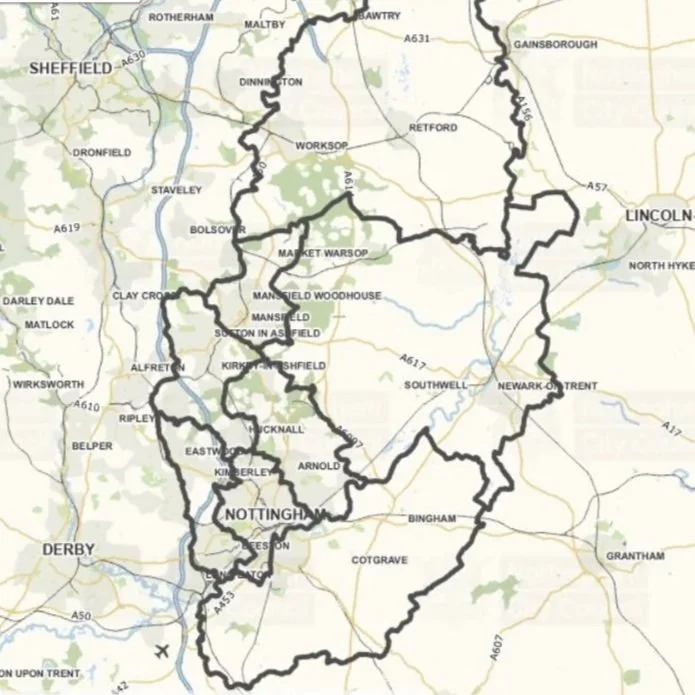
Open data and geographical information mapped in a digital format to assist decision making and strategy building; owned by Nottingham City Council.
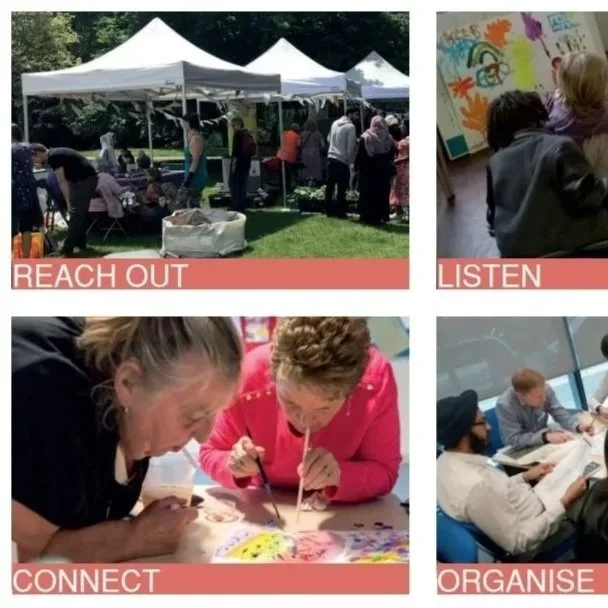
A framework for engagement and participation, including best practice models and resources; developed in partnership with Community Organisers.
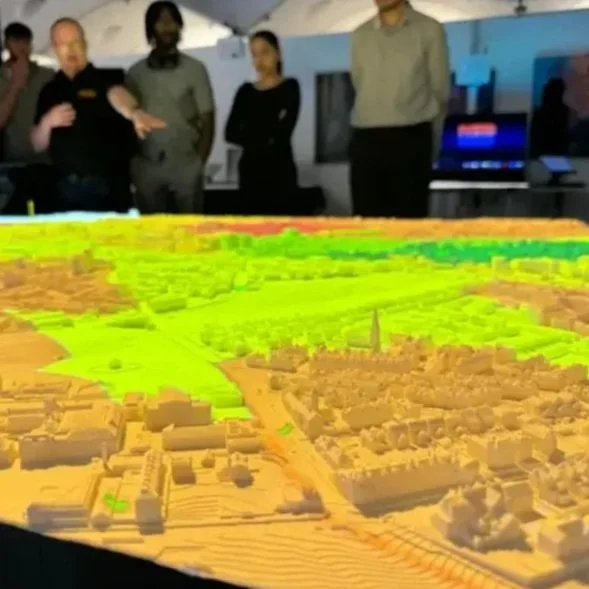
Award-winning Projection Augmented Relief Models to visualise data on a 3D printed map of the city centre; developed in partnership with the University of Nottingham,
About the Urban Room
Our Commitment
Promoting representation, social inclusion, place democracy and equality to secure a platform free of hierarchies where everyone with interest and enthusiasm on placemaking in the city has equal opportunity to take part and contribute however they can.
Addressing climate change and public health and wellbeing across all projects, pursuing a future where the city provides critical infrastructure for balanced, healthy lifestyles.
Creating a platform where partnerships and networks can develop and grow to strengthen place identity and cultural activity as contributors to the local economy.
The Nottingham Urban Room project is a member of the Urban Rooms Network, and it is currently hosted at Nottingham’s Central Library, where it shares a room with City as Lab.
Our Priorities
Climate change: there is no planet B; no effort is big enough to address the global crisis our planet is facing. Urban Room Nottingham projects will have a strong focus on sustainability and carbon neutrality: SG7; SG12; SG14; SG15
Social inclusion: places work much better and are far more sustainable when they are equally accessible to people of all abilities and when they are safely enjoyed by all. Urban Room Nottingham projects will be conceived, planned and delivered with inclusion in mind: SG5; SG10; SG13; SG16;
Public health: human life cannot be sustained without air quality, clean water, access to nature, active lifestyles, healthy micro-climates, access to quality food. Urban Room Nottingham projects will always be conceived with an ambition to have a positive impact on health and wellbeing: SG3; SG6; SG14;
Place democracy: places work much better and are far more sustainable when they are for all, by all. Urban Room Nottingham projects will give a voice to all those who wish to have a say, including children and people who might need extra support to participate: SG11; SG17
Economic recovery: we are gradually leaving a global pandemic with huge economic consequences across the globe; our city is no exception. The Urban Room Nottingham is committed to address poverty, economic recovery and access to food and employment through its projects by aiming to work with innovative models that support local/independent businesses: SG8; SG9
Education and skills: placemaking brings huge opportunities to work collaboratively and across sectors applying system-thinking approaches that make projects interesting and rewarding. The Urban Room Nottingham is committed to ensure that everyone involved in every project has something new to learn that is applicable to their jobs, studies or lifestyles: SG4
Our History
At the 2014 National Urban Design Conference, hosted in Nottingham, discussions took place about creating an Urban Room in the city. Contributors to the vision included Historic England, Nottingham City Council, the Royal Institute of British Architects, the University of Nottingham, Nottingham Trent University, Nottingham and Derby Society of Architects, the Urban Design Group and local architects, surveyors and social enterprises.
The designation of the Nottingham Heritage Action Zone, supported by Historic England, presented the opportunity to turn the vision into reality, and so, in March 2018, Number 38 Carrington Street - Nottingham's Urban Room - opened to the public.
The Urban Room was located in a historic building within a regeneration area that links the railway station with major retail zones. The premises offered a renovated former shop with a ground floor space for exhibitions and events and a basement available to hire for workshops, meetings and events. Nottingham City Council funded the running costs for the period of the Heritage Action Zone project.
The Urban Room was a fundamental vehicle for the delivery of the Co-PLACE programme: a neutral space with an inspirational and creative atmosphere that helped people relax and gave them the confidence to participate in activities, given the friendly and welcoming environment.
In the wake of the 2020 Pandemic Crisis, during the first lock-down, the Urban Room evolved into a virtual platform to continue to serve the community and provide ongoing opportunities for the delivery of Co-PLACE.